
Diminishing Returns Impact Performance
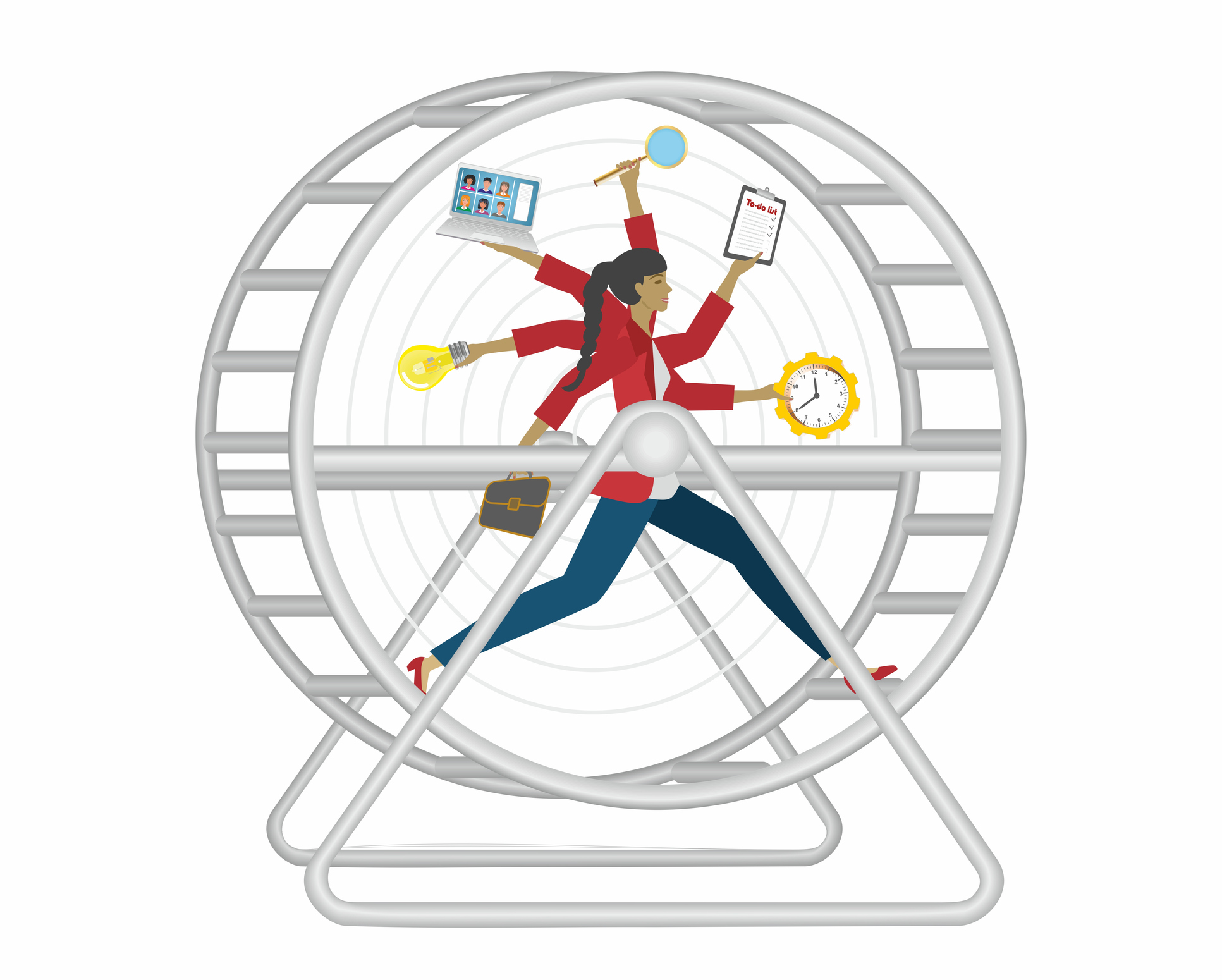
by Odilia McLeod
𝗦𝗮𝗺𝗲 𝘀𝗮𝗹𝗮𝗿𝘆. 𝗛𝗶𝗴𝗵𝗲𝗿 𝗱𝗲𝗺𝗮𝗻𝗱𝘀.
Over the course of my corporate career, I lived through multiple economic cycles.
Hiring freezes.
Budget cuts.
Reorganizations.
Pressure to do more with less.
I understood the business rationale behind those decisions. Most professionals do.
What I didn’t fully appreciate at the time was the psychological impact.
Recently, I’ve noticed a recurring theme in conversations with corporate professionals and leaders I work with:”𝘐’𝘮 𝘸𝘰𝘳𝘬𝘪𝘯𝘨 𝘩𝘢𝘳𝘥𝘦𝘳 𝘵𝘩𝘢𝘯 𝘦𝘷𝘦𝘳, 𝘣𝘶𝘵 𝘵𝘩𝘦 𝘳𝘦𝘵𝘶𝘳𝘯 𝘰𝘯 𝘮𝘺 𝘦𝘧𝘧𝘰𝘳𝘵 𝘬𝘦𝘦𝘱𝘴 𝘴𝘩𝘳𝘪𝘯𝘬𝘪𝘯𝘨.”
Economists call it 𝗱𝗶𝗺𝗶𝗻𝗶𝘀𝗵𝗶𝗻𝗴 𝗿𝗲𝘁𝘂𝗿𝗻𝘀.
In corporate life, it often sounds like: Do more with less.
For a while, people can absorb the pressure. Most professionals are remarkably resilient. They will stretch, adapt, and find ways to deliver.
But there is a limit.
When demands increase while compensation, support, and recognition stagnate or decline, the impact isn’t just operational, it’s psychological.
Motivation erodes.
Engagement declines.
Trust weakens.
Most professionals understand that organizations must navigate difficult economic realities. What is often underestimated is that every business decision sends a psychological signal, and psychology ultimately drives performance.
Yet many organizations continue to optimize for productivity metrics while overlooking that reality.
𝗣𝗲𝗼𝗽𝗹𝗲 𝗱𝗼𝗻’𝘁 𝗱𝗶𝘀𝗲𝗻𝗴𝗮𝗴𝗲 𝗯𝗲𝗰𝗮𝘂𝘀𝗲 𝘄𝗼𝗿𝗸 𝗶𝘀 𝗵𝗮𝗿𝗱.
𝗧𝗵𝗲𝘆 𝗱𝗶𝘀𝗲𝗻𝗴𝗮𝗴𝗲 𝘄𝗵𝗲𝗻 𝘁𝗵𝗲 𝗿𝗲𝗹𝗮𝘁𝗶𝗼𝗻𝘀𝗵𝗶𝗽 𝗯𝗲𝘁𝘄𝗲𝗲𝗻 𝗲𝗳𝗳𝗼𝗿𝘁, 𝗿𝗲𝘄𝗮𝗿𝗱, 𝗿𝗲𝗰𝗼𝗴𝗻𝗶𝘁𝗶𝗼𝗻, 𝗮𝗻𝗱 𝗽𝘂𝗿𝗽𝗼𝘀𝗲 𝗾𝘂𝗶𝗲𝘁𝗹𝘆 𝗳𝗮𝗹𝗹𝘀 𝗼𝘂𝘁 𝗼𝗳 𝗯𝗮𝗹𝗮𝗻𝗰𝗲.
And so the question becomes:
𝘼𝙩 𝙬𝙝𝙖𝙩 𝙥𝙤𝙞𝙣𝙩 𝙙𝙤 𝙙𝙞𝙢𝙞𝙣𝙞𝙨𝙝𝙞𝙣𝙜 𝙧𝙚𝙩𝙪𝙧𝙣𝙨 𝙨𝙩𝙤𝙥 𝙗𝙚𝙞𝙣𝙜 𝙖 𝙬𝙤𝙧𝙠𝙛𝙤𝙧𝙘𝙚 𝙙𝙮𝙣𝙖𝙢𝙞𝙘 𝙖𝙣𝙙 𝙗𝙚𝙘𝙤𝙢𝙚 𝙖 𝙡𝙚𝙖𝙙𝙚𝙧𝙨𝙝𝙞𝙥 𝙧𝙚𝙨𝙥𝙤𝙣𝙨𝙞𝙗𝙞𝙡𝙞𝙩𝙮?
_________
Are you experiencing diminishing returns? I am here to support you! Let’s connect: Book a Free 30 minute conversation